Navigating the Globe of International Organization: Insights on Offshore Company Formation
Offshore Company Formation presents a calculated avenue for worldwide business procedures. It offers noteworthy benefits, such as tax optimization and improved personal privacy. However, the procedure is not without its difficulties. Understanding the complexities of regulative requirements and various jurisdictions is essential. As companies consider these options, the actions involved can considerably affect their long-term success. What are the vital factors that can lead to reliable overseas monitoring?
Comprehending Offshore Companies: Meaning and Function
Offshore business have actually ended up being a centerpiece in global company conversations because of their unique legal and financial structures. These entities are developed in territories outside of the proprietor's nation of home, typically with beneficial regulative atmospheres. Typically, overseas firms offer numerous objectives, such as property security, tax optimization, and enhanced personal privacy. They can operate in multiple fields including profession, financing, and technology, giving flexibility for global operations.The specifying attribute of an offshore Company is its capacity to carry out business globally while profiting from lowered tax obligation obligations and regulative problems. This framework attract business owners and financiers seeking to expand their profiles and manage risks effectively. In addition, several overseas jurisdictions supply motivations to draw in foreign financial investment, resulting in an increase in the Formation of these business. Understanding the definition and objective of offshore companies is essential for steering through the complexities of international commerce and resources circulation.
Key Advantages of Offshore Company Formation
The Formation of an overseas Company uses several compelling advantages that bring in financiers and entrepreneurs alike. Among the primary advantages is tax optimization; lots of jurisdictions supply favorable tax obligation prices or exemptions, permitting companies to make best use of revenues. In addition, offshore business often take pleasure in greater privacy, as several jurisdictions have rigid personal privacy laws securing the identifications of Company owners and shareholders.Another substantial benefit is asset security. Offshore entities can secure properties from political instability and economic recessions in the proprietor's home nation. Moreover, these business can promote international trade, supplying very easy access to worldwide markets and streamlining cross-border transactions.The adaptability in corporate structure also interest local business owner, as offshore companies can be tailored to meet particular operational requirements. In general, the calculated Formation of an offshore Company can lead to enhanced financial safety and security, operational efficiency, and a durable global visibility.

Usual Obstacles in Developing Offshore Entities
Establishing offshore entities presents several challenges that businesses must navigate. Trick concerns consist of regulative compliance, which can vary considerably across jurisdictions, and the impact of cultural distinctions on procedures. Furthermore, organizations must take into consideration the prices and dangers connected with preserving an offshore visibility, which can impact overall stability.
Regulatory Conformity Issues
Maneuvering governing compliance issues presents significant obstacles for services when they seek to develop offshore entities. Each territory has its very own set of regulations and regulations, which can vary commonly and may be tough to browse. Companies usually face difficulties relevant to tax compliance, anti-money laundering guidelines, and coverage requirements. Furthermore, adjustments in global tax laws can produce unpredictability, making it essential for businesses to stay updated on conformity commitments. Failure to stick to these policies can lead to extreme fines, consisting of penalties and reputational damage. Consequently, involving and understanding the legal framework with regional professionals is crucial for effective overseas procedures, making sure that businesses can operate within the boundaries of the law while optimizing their international technique.
Cultural Differences Influence
Price Considerations and Dangers
Guiding via the financial landscape of offshore entity Formation presents various cost considerations and intrinsic threats. First setup expenses frequently include legal charges, enrollment costs, and compliance costs, which can gather significantly. Additionally, recurring maintenance expenses such as yearly charges and bookkeeping services must be factored in. Varying regulatory settings in different territories present risks, possibly leading to lawful complications or unanticipated costs. Organizations may additionally come across challenges associated to taxation, financial, and reputational issues, which can influence success and operational performance. Potential entrepreneurs have to carry out thorough due persistance and economic forecasting to alleviate these threats and guarantee sustainable development. Understanding these expense factors to consider is vital for successful offshore service endeavors.
Steps to Set Up an Offshore Company
Developing an overseas Company entails several vital actions that call for careful consideration. Secret variables include picking the appropriate territory and making sure compliance with regional policies, along with gathering needed documents. Understanding these aspects is essential for a successful overseas organization configuration.
Selecting the Right Jurisdiction
Selecting the best jurisdiction is essential for anybody seeking to establish an offshore Company, as it can greatly influence the organization's lawful commitments, tax obligation responsibilities, and functional simplicity. Various aspects need to be taken into consideration, consisting of the political security, governing atmosphere, and tax obligation rewards used by potential territories. Popular options typically consist of nations with beneficial tax routines, such as the British Virgin Islands or Cayman Islands, due to their reduced or zero tax obligation rates. In addition, the ease of doing organization and the track record of the jurisdiction can affect investor self-confidence and market gain access to. Inevitably, a knowledgeable choice based on thorough research study will certainly guarantee the overseas Company is positioned for lasting success and compliance with worldwide criteria.
Needed Documents and Compliance
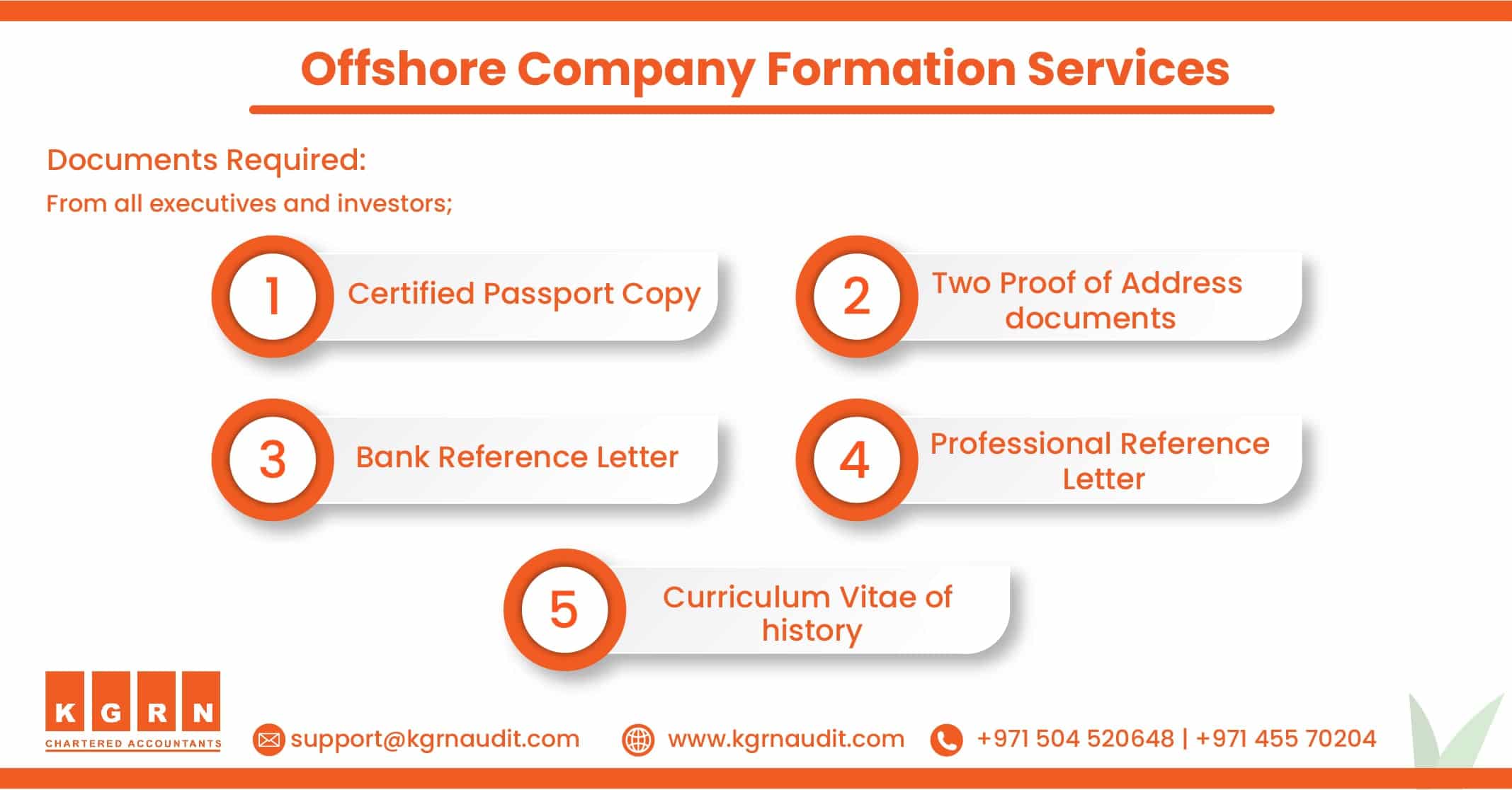
When establishing an offshore Company, understanding the essential documentation and conformity requirements is necessary to guarantee a smooth procedure. Trick papers usually include a certification of consolidation, a memorandum and posts of association, and evidence of identity for supervisors and investors. Some jurisdictions might call for extra details, such as service strategies or here bank recommendations. Compliance with regional regulations is important, which often includes assigning a signed up agent and preserving an authorized workplace. Normal reporting and adherence to tax responsibilities need to additionally be thought about. Failure to abide by these requirements can result in charges or also dissolution of the Company. Detailed prep work and consultation with legal experts can help browse these intricacies effectively.
Choosing the Right Jurisdiction for Your Offshore Company
Just how can one establish the most suitable jurisdiction for an overseas Company? Choosing the ideal territory calls for careful consideration of several variables. First, the lawful and tax obligation environment plays an essential role; jurisdictions with beneficial tax programs may boost organization earnings. Furthermore, the political stability and financial environment of an area can impact long-term company viability.Another essential aspect is the availability of financial services and banking facilities, which help with smooth operations. Possible local business owner should likewise consider the simplicity of doing organization, including the speed of enrollment and the quality of regulations.Furthermore, language barriers and social differences can impact procedures; consequently, lining up with a territory that aligns with organization goals and individual convenience is necessary. Ultimately, detailed research study and specialist advice can assist entrepreneurs in making a notified decision that straightens with their critical goals.
Compliance and Governing Considerations

Finest Practices for Taking Care Of an Offshore Company
Handling an overseas company needs tactical preparation and thorough execution to enhance efficiency and mitigate dangers. First, developing a durable conformity structure is crucial to navigate varying laws across jurisdictions. Routine audits and threat evaluations help recognize prospective vulnerabilities.Moreover, leveraging local proficiency with collaborations with neighborhood specialists can boost operational effectiveness and social understanding. Utilizing technology, such as cloud-based management systems, improves communication and data management, enabling better decision-making. Additionally, maintaining clear economic documents and making sure timely tax filings are important to support the Company's integrity. Purchasing staff training and growth cultivates a competent workforce, promoting innovation and adaptability.Finally, establishing clear efficiency metrics and key efficiency signs (KPIs) assists analyze organization progress and inform tactical modifications. By sticking to these ideal practices, business can properly manage their overseas operations, guaranteeing long-lasting success and sustainability in an affordable worldwide market.
Frequently Asked Concerns
What Is the Expense of Developing an Offshore Company?
The cost of developing an offshore Company varies widely depending on territory, legal needs, and solutions needed. Typically, expenses can vary from a few hundred to numerous thousand dollars, including enrollment, conformity, and annual costs.
How much time Does It Take to Develop an Offshore Entity?
The time required to develop an overseas entity varies substantially, usually ranging from a few days to numerous weeks (offshore company formation). Aspects affecting this duration consist of jurisdiction, needed documents, and the efficiency of the solution provider included
Can People Form Offshore Companies Without a Service Companion?
Individuals can undoubtedly create offshore business without a business partner. Lots of jurisdictions enable single-member entities, empowering entrepreneurs to develop and handle their companies individually, while still taking advantage of potential tax benefits and lawful protections.
Are There Any Type Of Tax Obligation Advantages for Foreign Investors?
What Sort Of Companies Commonly Make Use Of Offshore Business?
Offshore companies are often used by numerous markets, including finance, shopping, and innovation. These entities commonly offer objectives such as asset defense, tax obligation optimization, and personal privacy, appealing to both multinational companies and specific entrepreneurs. Offshore business have actually ended up being a focal factor in international service conversations due to their distinct lawful and economic structures. They can operate in numerous sectors including money, profession, and technology, supplying versatility for global operations.The defining feature of an overseas Company is its capability to perform business internationally while benefiting from lowered tax obligation liabilities and regulative worries. Additionally, offshore business typically take pleasure in better confidentiality, as numerous jurisdictions have rigid personal privacy regulations protecting the identities of Company proprietors and shareholders.Another substantial benefit is property defense. These firms can promote international trade, providing simple access to global markets and simplifying cross-border transactions.The flexibility in corporate framework additionally charms to company owners, as offshore firms can be customized to satisfy particular operational demands. Picking the ideal territory is vital for any person looking to establish up an offshore Company, as it can greatly influence the service's legal obligations, tax obligation responsibilities, and operational ease.